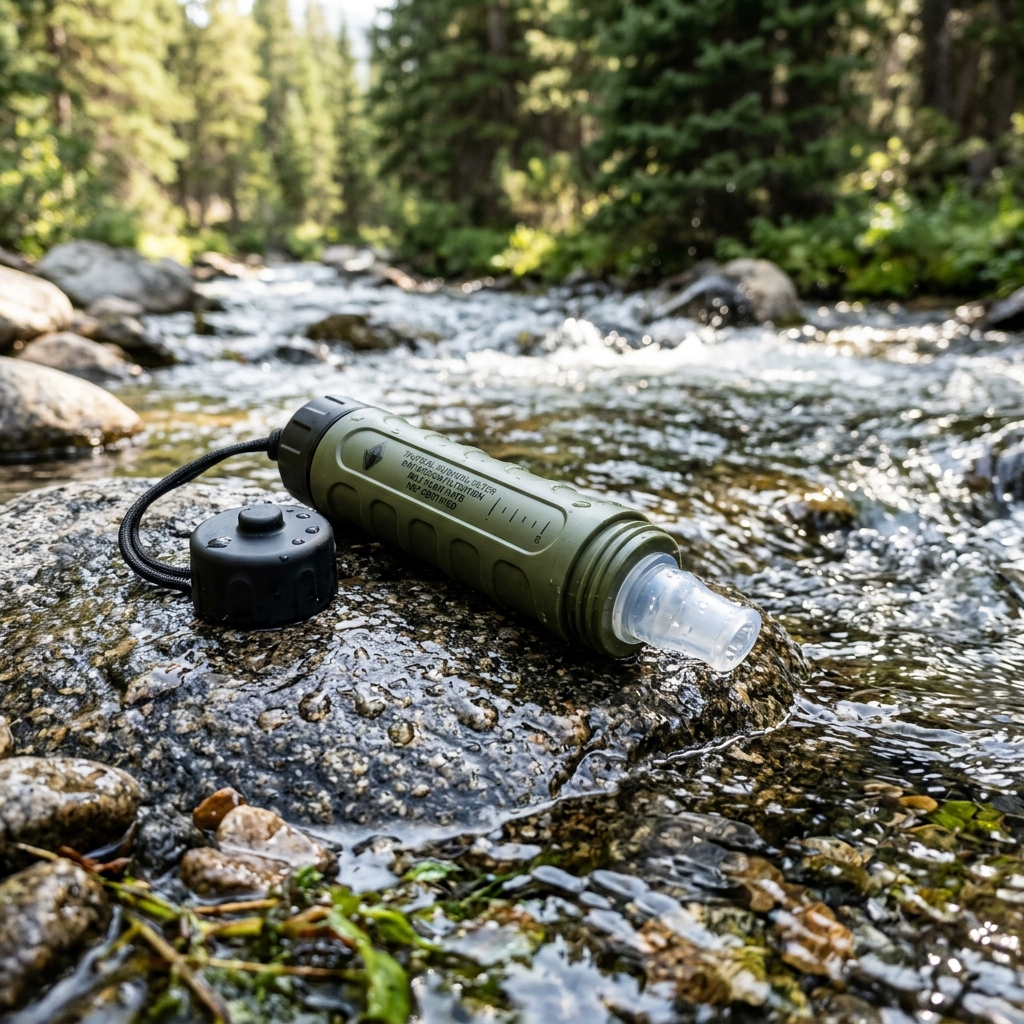
Straw vs. Pump vs. Gravity: Which Trail Water Filter Do You Actually Need?
A comprehensive breakdown of backcountry water purification technologies. Discover the best system for solo ultralight trekking vs. basecamp groups.
WildRoot Field Research
WildRoot Field Testing & Research Team
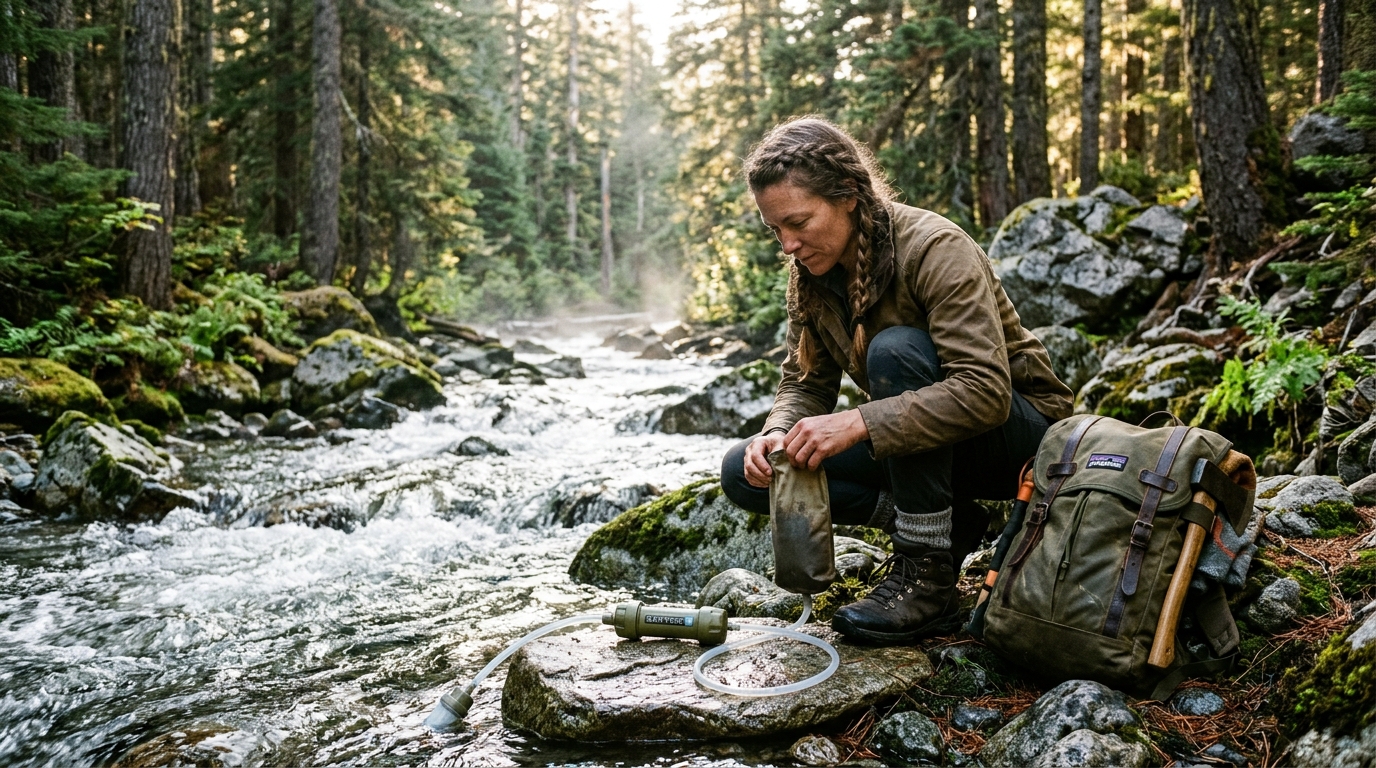
Nothing ruins a multiday mountain expedition faster than waterborne pathogens. Bacterial infections like Salmonella, protozoan cysts like Giardia lamblia (“beaver fever”), and microplastics lurk in even the most pristine-looking alpine brooks.
When gearing up for wilderness adventures, hikers are often overwhelmed by three distinct purification technologies: Filter Straws, Mechanical Hand Pumps, and Gravity Bag Systems.
Here is our honest field-testing comparison to help you choose the exact right gear for your trekking style.
1. The Survival Water Straw (Ultralight Solo Option)
Best For: Day hikers, trail runners, ultralight fast-packers, and emergency bug-out kits.
Filter straws utilize 0.01-micron hollow-fiber membrane bundles. Water is sucked directly through microscopic pores that trap 99.9999% of bacteria and protozoa.
Advantages:
- Featherweight: Typically weighs under 60 grams (2 oz), fitting neatly into chest pockets or emergency kits.
- Instant Hydration: No setup, hoses, or waiting required. Kneel at the creek bank and drink directly from the source.
- Budget-Friendly: Highly economical price point with up to 5,000 liters of filtration capacity.
Drawbacks:
- Cannot store bulk water in camp for cooking or refilling canteens without specialized squeeze attachments.
- Requires physical suction effort after an exhausting summit hike.
2. The Mechanical Hand Pump (Backcountry Workhorse)
Best For: Traditional backpackers, bushcrafters, hunting expeditions, and shallow mud pools.
A mechanical lever or piston pump draws water through an intake hose, forces it through dual-stage hollow fiber and activated carbon cores, and discharges purified drinking water directly into your bottle.
Advantages:
- Pumps from Shallow Puddles: When water levels are a mere half-inch deep over rocky riverbeds, a weighted hose pre-filter can extract every drop where gravity bags cannot submerge.
- High Flow Velocity: Produces 1,000ml to 1,400ml of clean drinking water per minute.
- Carbon Taste Improvement: Activated carbon cores eliminate sulfur smell, heavy metals, and unpleasant vegetative riverbed taste.
Drawbacks:
- Requires continuous two-handed mechanical pumping.
- Slightly heavier pack footprint (~250g).
3. Gravity Filtration Systems (Basecamp & Group Luxury)
Best For: Multi-person campouts, families, remote basecamps, and lazy evenings around the fire.
Fill a heavy-duty reservoir bag from a lake or stream, hang it 5 to 6 feet high on a tree branch, connect the line to your clean bladder, and let earth’s gravity do 100% of the work while you pitch tents or start the fire.
Advantages:
- Zero Physical Labor: Filter 3 to 10 liters simultaneously while relaxing.
- Mass Hydration: Ideal for camp dishwashing, cooking stews, and morning coffee brewing for entire squads.
The Verdict: Which One Should You Carry?
| Feature | Straw Filter | Hand Pump System | Gravity Bag |
|---|---|---|---|
| Weight | Under 60g | 250g | 280g |
| Flow Rate | On-demand sip | 1400 ml/min | Hands-free flow |
| Camp Cooking | Poor | Excellent | Best |
| Best Use | Day Hiking / Bug-Out | Mountain Expeditions | Group Basecamps |
Our Recommendation: For solo expeditions, keep a Mini Straw Filter in your outer backpack pocket for rapid trail sips, and pack an Emergency Hand Pump in your main ruck for reliable basecamp water processing.
Wilderness Equipment Featured in this Guide
The rugged gear relied upon by our instructors. Pre-tested in North American forests and shipped fast from California & New Jersey.
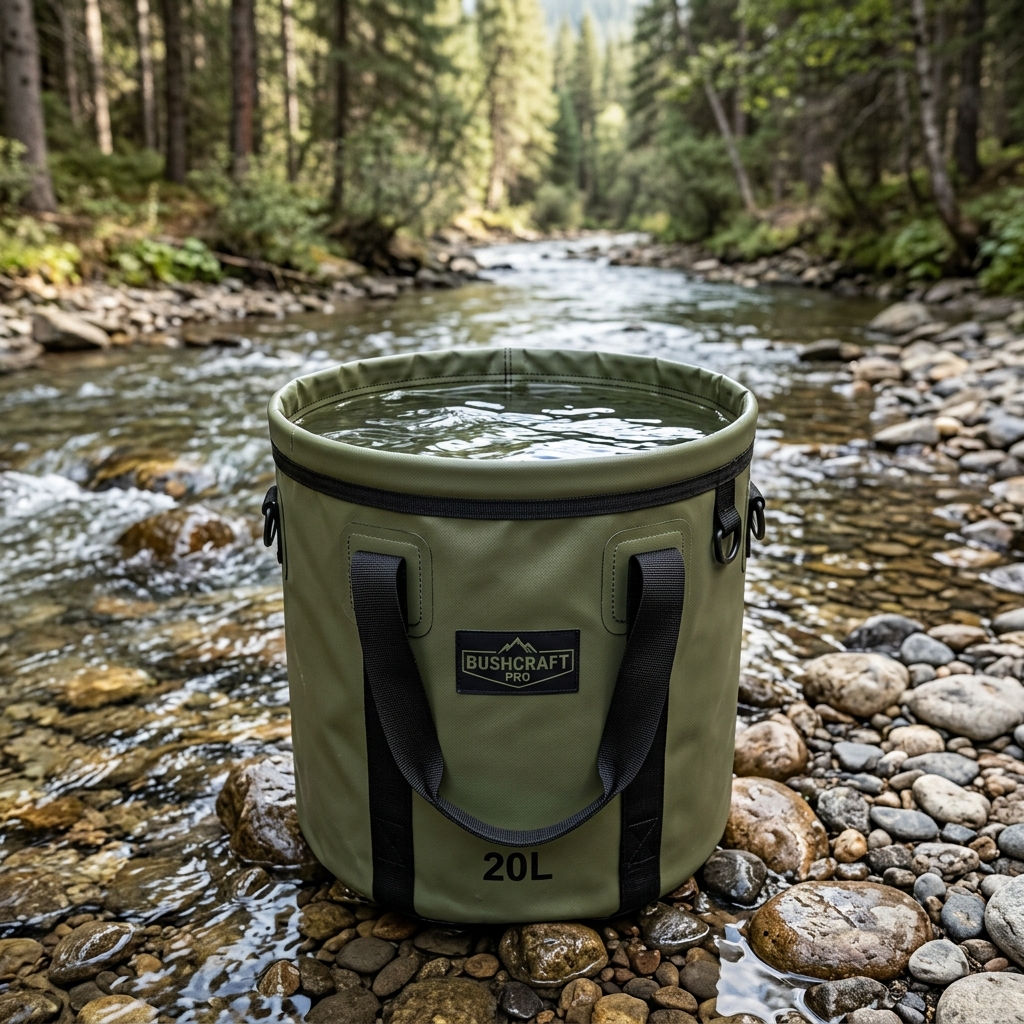
Heavy-Duty Waterproof PVC Bucket Collapsible Camp Basin (20L)
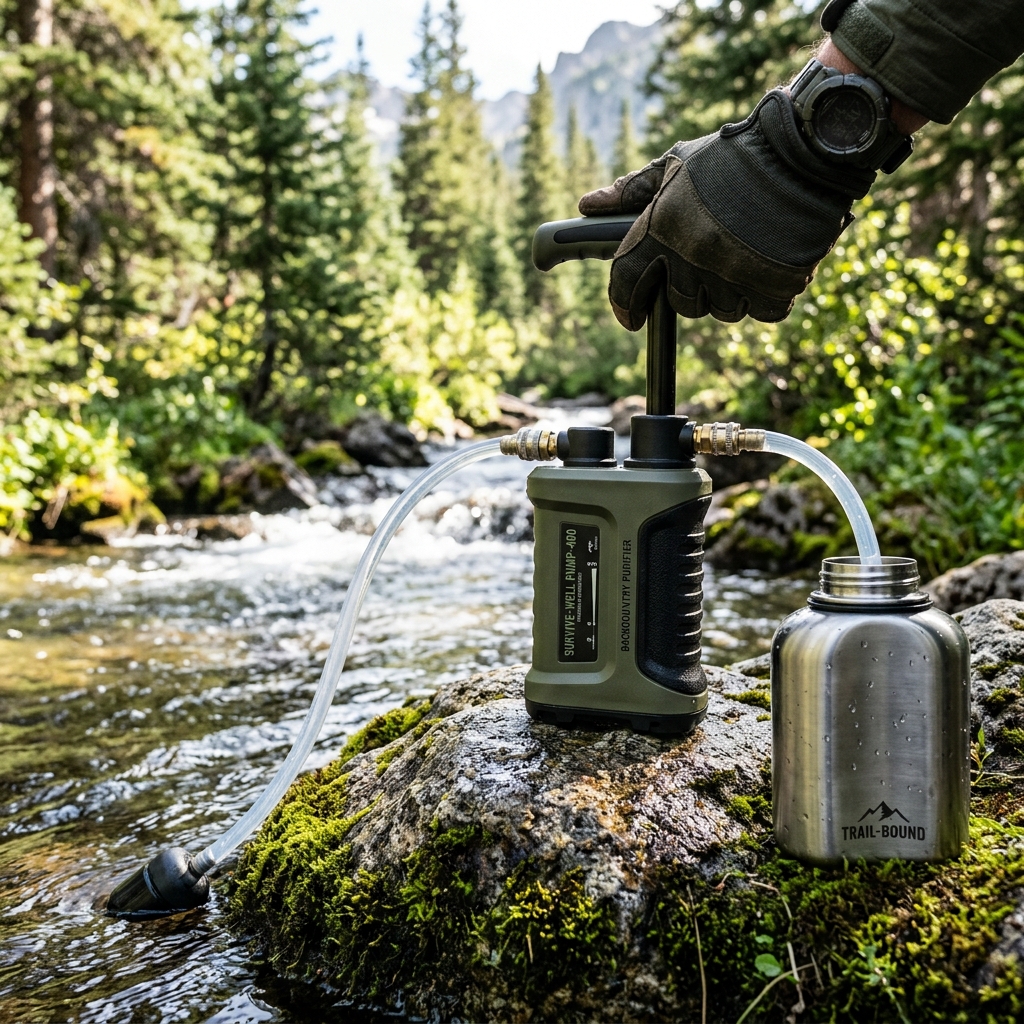
Emergency Backcountry Water Filtration Pump & Gravity System